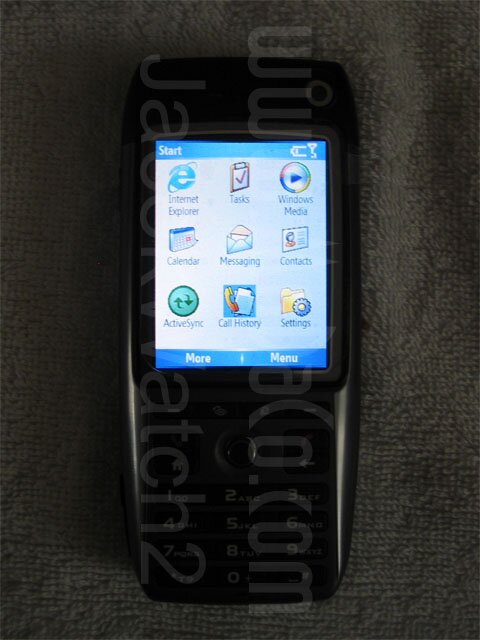
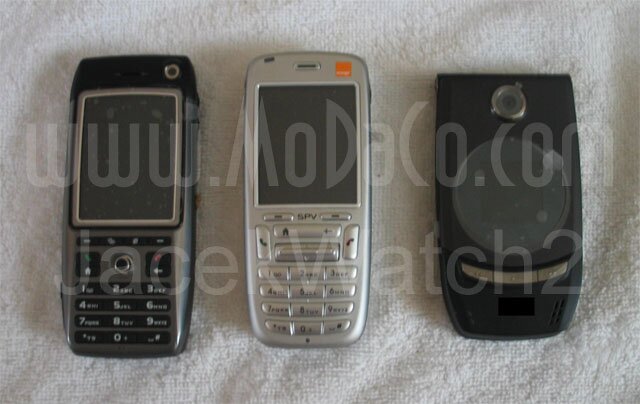
The HTC Breeze was a smartphone that still looked like a phone: upright screen, number keys and a navigation control under your thumb. If you have come across pictures labeled Qtek 8600 or HTC MTeoR, you are following the same device’s development and naming history. The HTC TyTN was a different proposition, with a sliding keyboard and a touchscreen.
Recovered HTC Breeze photographs
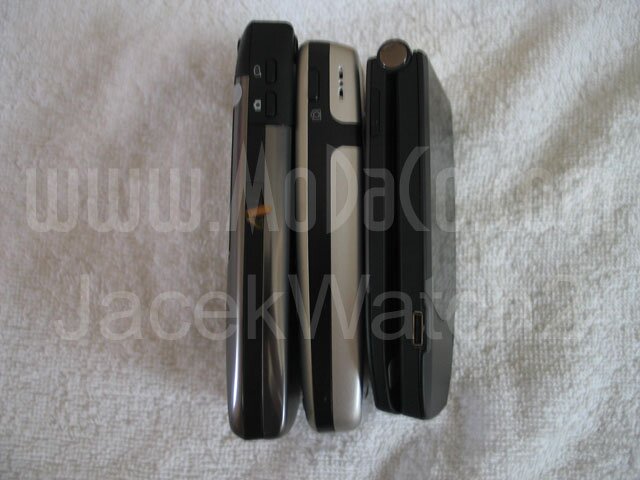
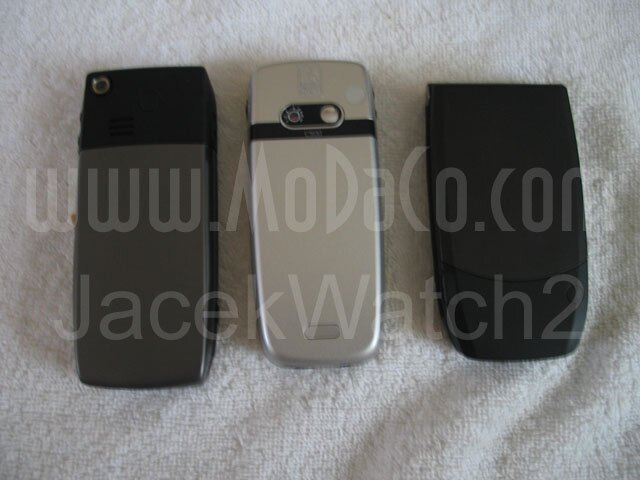
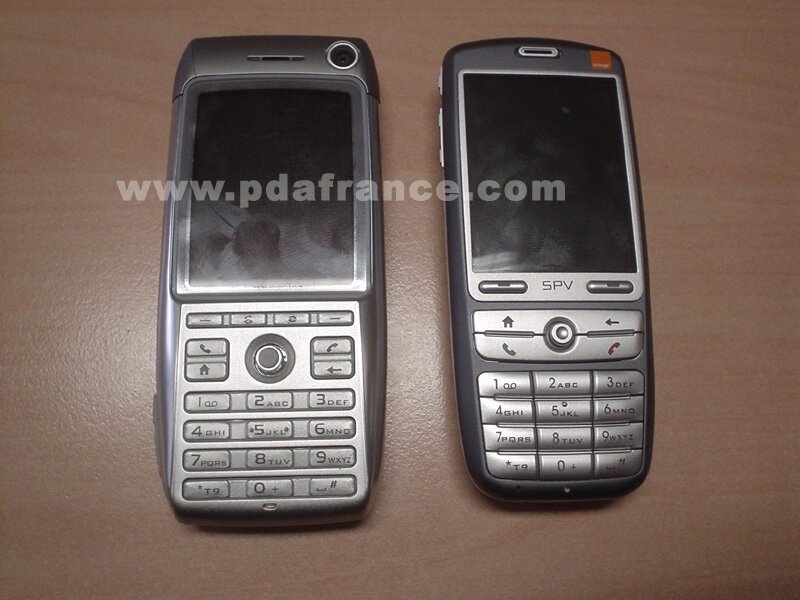
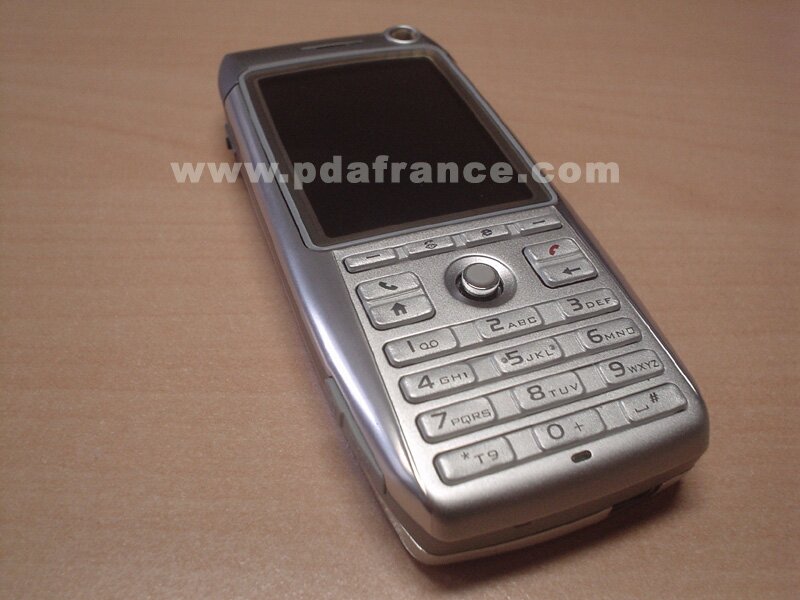
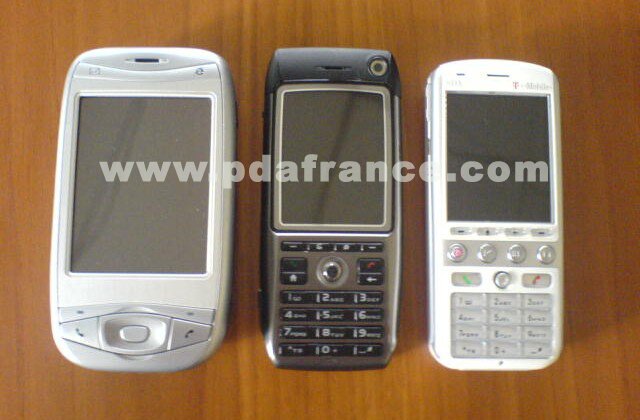
These seven photographs appeared in the original MGN discussion. The first four retain their MoDaCo/JacekWatch2 watermarks; the final three carry PDA France’s watermark. They show the handset from several angles and beside contemporary phones, making the differences in shape easier to judge than dimensions alone.
Why one phone had several names
HTC built handsets for other brands as well as its own product families. Early coverage used development names before the retail branding settled. The contemporary 3G4G Breeze page called the phone Qtek 8600 and linked to MobileGadgetNews for photographs. That explains why an old picture link can lead to a device name unfamiliar to someone who owned the finished phone.
At its June 2006 announcement, HTC moved toward selling devices under its own name. PhoneArena’s account of HTC’s announcement identifies Breeze as MTeoR and Hermes as TyTN. Those two pairs are the useful ones to remember when searching for accessories, manuals or photographs.
MTeoR versus TyTN
The June launch report describes the MTeoR as a Windows Mobile 5.0 Smartphone with a 2.2-inch display, a 1.3-megapixel camera and a conventional candybar body. The TyTN offered a 2.8-inch touchscreen and a slide-out QWERTY keyboard. The distinction affected everyday use far more than the similar naming suggested.
With a number pad, checking a message and making a call could remain one-handed jobs. Writing a long reply required more patience. The TyTN gave typing more physical space, but its keyboard also changed the size and handling of the device. Neither layout was simply a smaller version of today’s touchscreen phone.
Reading early specifications carefully
Pre-release pages are useful for tracing what people expected, but they are not interchangeable with a retail manual. The early Breeze listing even marks HSDPA as a possibility. Treat that as an expectation at the time, not a guarantee about every handset later sold under a related name.
For a secondhand example, identify the model printed on the device and compare its controls and connectors with the matching manual. Do not select firmware because an old discussion uses a familiar codename. Carrier versions and closely related designs can look reassuringly similar while requiring different software.
The Breeze story is worth remembering for its form factor: a capable mobile operating system packaged around familiar telephone controls. It offers a useful counterpoint to the idea that early smartphones were all miniature touchscreen computers.